Introduction to Lonavala & Khandala: The Monsoon Escape
Lonavala & Khandala: The Monsoon Escape is one of India’s most compelling and undervisited travel destinations. The go-to for Mumbai/Pune. ||BUDGET|| Stay in the guesthouses in the main town. Luxury? Private villas with pools for the weekend.
Whether you are planning a budget backpacking adventure or a more considered cultural journey, Lonavala monsoon offers experiences that are difficult to find anywhere else in the subcontinent.
Why Most Travellers Miss This Destination
Despite its remarkable heritage, natural beauty, and cultural depth, Lonavala monsoon rarely appears on mainstream travel itineraries. This is partly a marketing problem and partly a reflection of India’s overwhelming abundance of destinations—when every region has world-class monuments, some inevitably get overlooked.
The result is that you get to experience something extraordinary, often without another tourist in sight. That is a privilege worth planning around.
Why Lonavala monsoon Deserves Your Attention
The case for visiting Lonavala monsoon rests on a combination of uniqueness, accessibility, and depth. There are destinations in India that are famous because they deserve to be. And then there are places like this—equally deserving, but quietly waiting to be discovered.
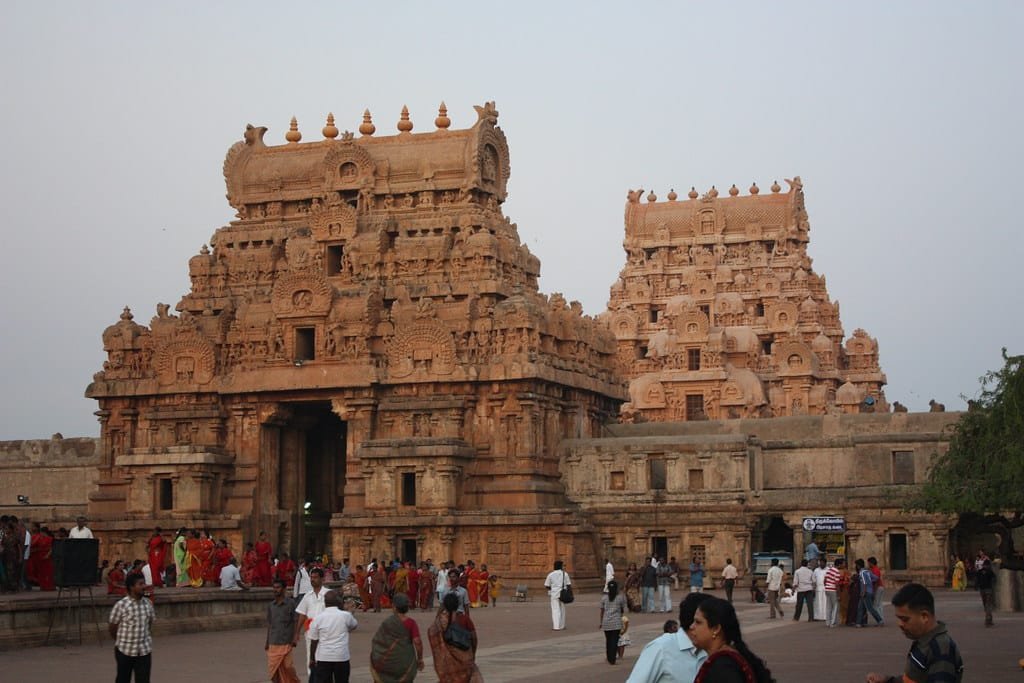
Skip the main crowd at Tiger Point. Head to the ancient Buddhist caves of Karla and Bhaja nearby. The hidden history is in the rock-cut architecture that predates most of the famous temples in the north.
Travel Blueprint: How to Make the Most of Your Visit
Accommodation
Accommodation options near Lonavala monsoon span a wide range. Budget travellers will find clean, affordable guesthouses and homestays that offer genuine local hospitality. Those seeking more comfort can opt for boutique properties or heritage stays depending on the region. Wherever you stay, book in advance during peak season.
Getting There
Access to Lonavala monsoon varies by location within India. Most destinations are reachable by a combination of train and local road transport. Check the nearest railway station or airport and plan your onward journey using local taxis, buses, or shared vehicles. For remote destinations, road conditions may vary seasonally.
What to See and Do
The highlights of Lonavala monsoon are both natural and historical. Walk the key sites at a slow pace, engage with locals wherever possible, and resist the temptation to rush.
- Main Attraction: The centrepiece experience—explore with a knowledgeable local guide.
- Hidden Gem: Ask locally about the lesser-known sites that guidebooks often skip entirely.
- Cultural Encounter: Food, craft, ritual, or artistic traditions unique to this place.
- Nature Experience: The landscape itself is often the deepest experience available.
Step-by-Step Visitor Guide
- Research and obtain any required permits before travel—some destinations require Inner Line Permits or forest entry permissions.
- Book accommodation at least 2–3 weeks in advance during peak season (October–February for most Indian destinations).
- Arrive early in the day to make the most of morning light and cooler temperatures for exploration.
- Hire a local guide at the primary site—the investment is small and the insight is transformative.
- Plan your meals around local cuisine—street food and homestay cooking are usually more authentic than restaurant menus.
- Allow buffer time in your itinerary—India’s most interesting places reward those who stay longer than planned.
Common Mistakes Travellers Make
- Underestimating travel time between sites—distances in India can be deceptive on maps.
- Visiting primary attractions only and missing the secondary sites that often hold the greatest surprises.
- Not carrying sufficient cash—ATMs are absent or unreliable in many smaller towns and remote areas.
- Going without appropriate footwear—historical sites, trekking routes, and temple precincts all have different requirements.
- Skipping local food in favour of familiar options—the local cuisine is almost always the best meal you will have.
Expert Tips for a Better Visit
- Timing is everything: Early morning and late afternoon offer the best light for photography and the coolest temperatures for exploration.
- Go mid-week: Weekends attract domestic day-trippers at most Indian attractions. Midweek visits are dramatically quieter.
- Learn a few local phrases: Even minimal effort in the local language transforms your reception by locals.
- Travel slow: The richest experiences in India come to travellers who have time to sit, observe, and let unexpected moments unfold.
- Respect cultural norms: Dress codes, photography restrictions, and religious protocols vary significantly by site and region.
Benefits of Visiting Lonavala monsoon
Beyond the obvious rewards of seeing remarkable places, travel to India’s hidden destinations offers something harder to quantify: the experience of being somewhere that the tourist economy has not yet standardised.
- Authentic cultural encounters without commercial mediation.
- Historic monuments and natural landscapes in their less-altered states.
- Value for money—offbeat Indian destinations are almost always more affordable than famous ones.
- The satisfaction of having discovered something genuinely special and shared it thoughtfully.
Key Takeaways
- Lonavala monsoon offers a unique combination of history, culture, and natural landscape that mainstream tourism has yet to dilute.
- Budget and luxury options both exist, making it accessible to a wide range of travellers.
- The best experiences require some advance planning—permits, accommodation, and guide bookings should not be left to chance.
- Slow, curious travel is the most rewarding approach to destinations of this depth.
Frequently Asked Questions
Is Lonavala monsoon safe for solo travellers?
Yes. India’s offbeat destinations, including Lonavala monsoon, are generally safe for solo travellers. Take standard precautions, inform accommodation of your plans, and connect with other travellers through guesthouses and local networks.
What is the best time of year to visit?
For most Indian hill and heritage destinations, October to February offers the most comfortable travel conditions. Summer (March–May) can be hot at lower elevations but excellent for high-altitude destinations. Monsoon (June–September) transforms landscapes dramatically but can limit access.
How much should I budget per day?
Budget travellers can explore Lonavala monsoon comfortably on ₹1,500–₹2,500 per day (accommodation, food, local transport). Mid-range travellers should budget ₹3,000–₹6,000. Luxury experiences can range from ₹10,000 upward depending on the property.
Do I need a guide?
For historical sites and heritage destinations, a local guide is strongly recommended. For natural landscapes and trekking routes, a guide is advisable for safety and contextual understanding. For cultural visits, a guide who speaks the local language is invaluable.
What should I pack?
Carry comfortable walking shoes, a reusable water bottle, sun protection, a light layer for air-conditioned transport, and sufficient cash. For religious sites, carry a light scarf or shawl for head covering when required.
Conclusion
Lonavala & Khandala: The Monsoon Escape represents one of India’s genuine travel rewards—a place that gives back more than you bring to it, that surprises you with its depth, and that stays with you long after the journey ends.
The world has no shortage of famous destinations. But the places that change how you think about travel are usually the ones no one told you to visit. Lonavala monsoon is one of those places. Go find out for yourself.
Continue Your Journey
Exploring India’s hidden destinations is a lifelong project. The more you travel, the more you realise how much remains to be discovered. Start with one blueprint, then follow the trail wherever it leads.