Introduction: Lonar Crater: The Cosmic Wound
Lonar Crater sits in the Buldhana district of Maharashtra—a perfectly circular saline lake formed approximately 50,000 years ago when a meteorite struck the Deccan Plateau. It is one of only four known hyper-velocity impact craters in basaltic rock on earth, and the only one hosting a saline and alkaline lake simultaneously. To stand on its rim and look down at the water is to feel the full weight of geological time.
From its unique geographical setting to its layers of historical significance, Lonar Crater rewards every type of traveller — budget backpacker, cultural explorer, or luxury seeker — with experiences that cannot be replicated anywhere else.
Why Most Travellers Never Make It Here
Lonar receives almost no international tourist attention despite being one of the most scientifically and historically significant sites in India. Most Maharashtra visitors head to Aurangabad and the Ajanta-Ellora caves without realising that a 50,000-year-old meteorite crater lies just 100 km north.
The result is that you get to experience Lonar Crater with the space and quiet it deserves. That is an increasingly rare privilege in modern travel.
Why Lonar Crater Deserves a Place on Your Itinerary
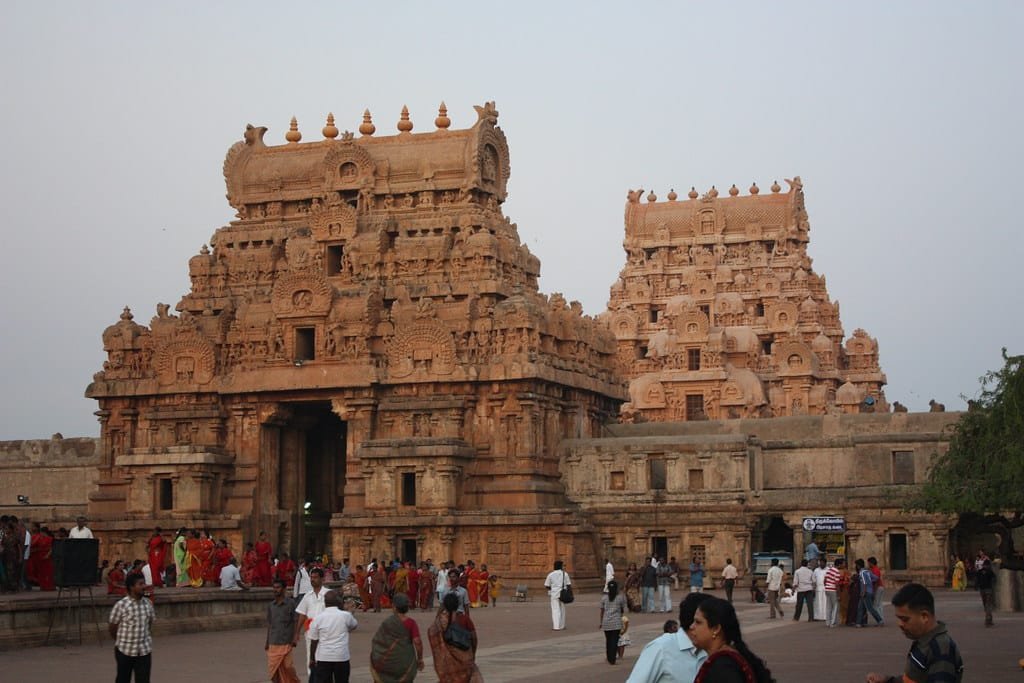
The crater’s ecosystem is entirely unique. The saline-alkaline chemistry supports microorganisms found nowhere else on earth — some are so unusual they have been studied by NASA. Surrounding the lake, ancient temples from the 6th to 12th centuries stand on the crater rim, their foundations resting on rock that was liquefied by an extraterrestrial impact thousands of years before the temples were conceived.
The best travel destinations are not always the most famous ones. They are the ones that give back more than you bring to them.
The Full Blueprint: Everything You Need to Know
The crater is approximately 1.8 km in diameter and 150 metres deep. MTDC (Maharashtra Tourism Development Corporation) runs a comfortable resort at the crater’s edge — the best base for budget travellers. The resort offers rooms overlooking the green crater wall and organises guided walks down to the lake.
The lake’s colour changes throughout the year — green in post-monsoon months, shifting toward pink-red in summer as specific microbes bloom. The walk around the rim (approximately 7 km) takes 2–3 hours and passes several temples dedicated to Kamalja Devi, Gomukh, and Daitya Sudan — all built directly into the crater basalt.
Birdlife is exceptional throughout the year. Flamingos occasionally visit the lake, and the buffer forest supports several species of raptors and waterbirds. There are no large crowds, no entry fees beyond the national park ticket, and no commercial development within the crater itself.
Step-by-Step Visitor Guide
- Drive from Aurangabad (approximately 140 km, 2.5 hours) or take a bus to Lonar town, then an auto-rickshaw to the crater.
- Check into the MTDC resort — book in advance as it is the only quality accommodation at the site.
- Start the crater rim walk in the early morning — the light on the lake at dawn is extraordinary.
- Walk down to the lake shore following the marked trail — the descent takes 30–45 minutes.
- Visit the Kamalja Devi and Daitya Sudan temples on the rim before the midday heat sets in.
- Return to the rim in the late afternoon for sunset over the crater — the colours are exceptional.
Common Mistakes Travellers Make
- Attempting the crater walk in sandals — the basalt rim path is uneven and requires good footwear.
- Going on a major festival day when the Daitya Sudan temple draws large pilgrimage crowds.
- Not carrying water — there are no vendors inside the crater, and the walk can take several hours.
- Skipping the museum in Lonar town — it provides important geological and historical context.
Expert Tips for a Better Visit
- The lake’s colour is most dramatic in April–May when the microbe bloom turns the water pink-red.
- Hire the MTDC guide rather than independent touts — the geological and biological knowledge they carry is exceptional.
- Combine with Ajanta Caves (100 km) and Aurangabad for a culturally and scientifically comprehensive Maharashtra trip.
- Carry binoculars — the birdlife around the lake is remarkable, especially in the post-monsoon months.
Key Benefits of Visiting Lonar Crater
- Visit one of earth’s rarest geological formations — a hypervelocity basalt impact crater with a living saline lake.
- Explore ancient Hindu temples built directly on meteorite-altered basalt rock.
- Experience exceptional birdlife and a uniquely evolved micro-ecosystem with almost no other tourists.
- Combine scientific wonder with historical depth in a single, completely accessible half-day experience.
Key Takeaways
- Lonar Crater: The Cosmic Wound combines unique landscape, cultural depth, and historical significance in a way few destinations can match.
- Both budget and luxury travellers are well served — the key is knowing where to look beyond the obvious choices.
- Advance planning (permits, guides, accommodation) significantly improves the quality of the experience.
- Slow, curious travel is by far the most rewarding approach to a destination of this depth and character.
Frequently Asked Questions
What formed the Lonar Crater?
A meteorite impact approximately 50,000 years ago in Maharashtra’s Buldhana district formed the crater. It struck basaltic Deccan lava flows at hypervelocity, melting and excavating the rock to create the perfectly circular depression now filled by the saline lake.
Is the Lonar lake safe to swim in?
No. The lake is both saline and alkaline (pH approximately 10.5), and swimming is not permitted. The water chemistry supports unique microorganisms but is harmful to human skin.
How long does a visit take?
A full visit including the rim walk and lake descent takes 4–6 hours. Combine with a visit to the town temples for a full day.
What is the best season to visit Lonar?
November to March is ideal for comfortable walking temperatures. April–May offers the most dramatic lake colour changes. The monsoon (June–September) makes the crater lush but the paths can be slippery.
How do I get to Lonar?
Lonar is 140 km from Aurangabad and accessible by road. Several buses run daily from Aurangabad bus stand. The MSRTC bus is the cheapest option; a private car is more comfortable.
Conclusion
Lonar Crater is the kind of place that recalibrates your sense of scale. Standing on the rim, looking down at water that fills a wound made by a rock from space 50,000 years ago, surrounded by temples built by humans who had no concept of what lay beneath their foundations — this is India at its most overwhelming and most beautiful. Come here, be humbled, and leave changed.
Continue Your Journey
Read our Maharashtra heritage guide for more extraordinary geological, historical, and cultural destinations across one of India’s most diverse states.