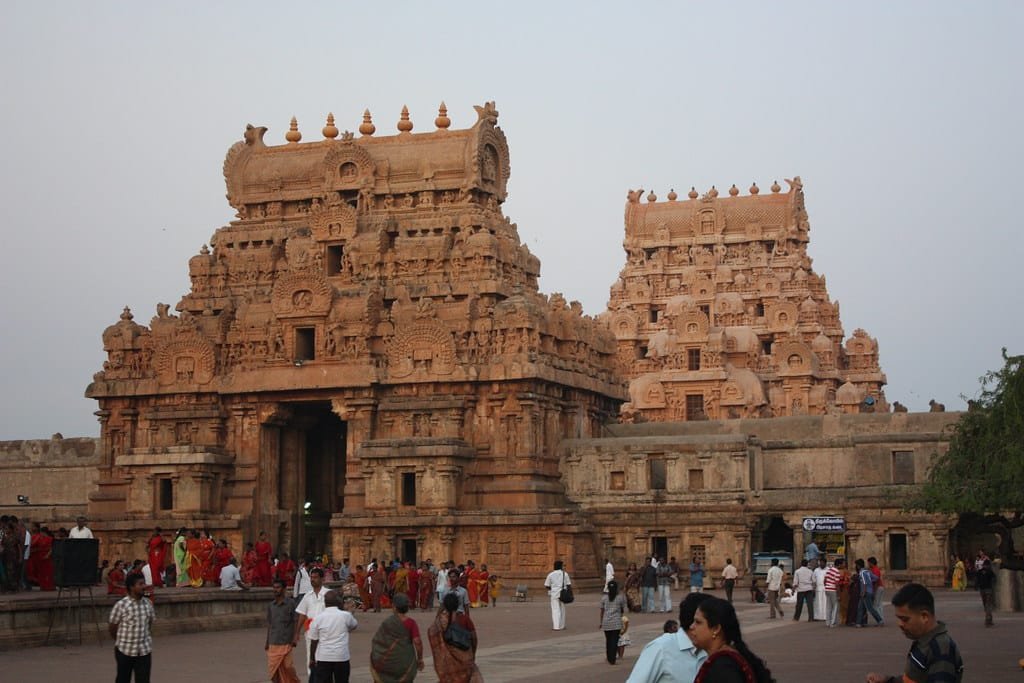
Introduction: Chennai: The Gateway to the South
Chennai: The Gateway to the South is one of India’s most compelling and undervisited travel destinations — a place where history, culture, and landscape intersect in ways that stay with you long after you leave. Whether you are planning a budget adventure or a considered cultural journey, Chennai travel guide offers experiences that few places in the subcontinent can match.
From its unique geographical setting to its layers of historical significance, Chennai travel guide rewards every type of traveller — budget backpacker, cultural explorer, or luxury seeker — with experiences that cannot be replicated anywhere else.
Why Most Travellers Never Make It Here
Despite its extraordinary appeal, Chennai travel guide is frequently overlooked on mainstream India itineraries. Most travellers default to the same famous destinations, unknowingly bypassing quieter, deeper experiences that places like this make possible.
The result is that you get to experience Chennai travel guide with the space and quiet it deserves. That is an increasingly rare privilege in modern travel.
Why Chennai travel guide Deserves a Place on Your Itinerary
The case for visiting Chennai travel guide rests on uniqueness, authenticity, and depth. This is not a destination that has been standardised for tourist consumption — it retains the character, edge, and cultural integrity that make travel genuinely transformative.
The best travel destinations are not always the most famous ones. They are the ones that give back more than you bring to them.
The Full Blueprint: Everything You Need to Know
Chennai is deep tradition behind a bustling exterior. T. Nagar for Kanchipuram silk showrooms; Pondy Bazaar for budget finds. Breakfast: Saravana Bhavan or Rayar’s Mess in Mylapore. Hidden: Theosophical Society—a massive, quiet forest right in the middle of the city.
Step-by-Step Visitor Guide
- Research entry requirements, permits, and the best season for Chennai travel guide before booking.
- Book accommodation at least 2–3 weeks ahead during peak season (October–February for most destinations).
- Arrive early in the morning to avoid heat and enjoy the best light for photography.
- Hire a local guide at the primary site — the contextual knowledge transforms the experience entirely.
- Dedicate time to secondary, lesser-known sites beyond the main attraction — they often hold the greatest surprises.
- Build buffer days into your itinerary — India’s best destinations reward travellers who slow down and stay longer.
Common Mistakes Travellers Make
- Rushing through without allowing enough time to absorb the historical and cultural layers.
- Choosing the most commercially visible hotel over a locally owned homestay or heritage property.
- Visiting only the primary landmark and skipping smaller sites that offer more authentic encounters.
- Not carrying sufficient cash — ATMs are absent or unreliable in many smaller towns and remote areas.
- Ignoring local cuisine in favour of familiar options — the regional food is almost always the trip highlight.
Expert Tips for a Better Visit
- Go mid-week: weekends bring domestic day-trippers to most Indian sites. Midweek visits are dramatically quieter.
- Arrive at dawn: morning light is superior for photography and temperatures are more comfortable for exploration.
- Learn a few local phrases: even minimal effort in the regional language transforms how locals receive you.
- Travel slowly: the richest India experiences come to those who sit, observe, and let unexpected moments unfold.
- Respect cultural norms: dress codes, photography rules, and religious protocols vary significantly by site.
Key Benefits of Visiting Chennai travel guide
- Experience Chennai travel guide with minimal tourist crowds — authenticity and space are still fully available.
- Access a destination where both budget and premium options exist without sacrificing genuine experience.
- Engage with India’s cultural, historical, or natural depth in a form that mainstream destinations can no longer offer.
- Return home with memories that are genuinely personal rather than algorithmically prescribed and mass-produced.
Key Takeaways
- Chennai: The Gateway to the South combines unique landscape, cultural depth, and historical significance in a way few destinations can match.
- Both budget and luxury travellers are well served — the key is knowing where to look beyond the obvious choices.
- Advance planning (permits, guides, accommodation) significantly improves the quality of the experience.
- Slow, curious travel is by far the most rewarding approach to a destination of this depth and character.
Frequently Asked Questions
Is Chennai travel guide suitable for first-time travellers to India?
Chennai travel guide is welcoming to first-time visitors. Research logistics — permits, transport, accommodation — before arriving and you will find the experience deeply rewarding.
What is the best time of year to visit?
October to February offers the most comfortable travel conditions for most Indian destinations. Hill stations shine in spring and summer; coastal spots are ideal in winter.
How much should I budget per day?
Budget travellers can explore Chennai travel guide comfortably on Rs1,500–Rs2,500 per day. Mid-range visitors should plan Rs3,000–Rs6,000. Luxury experiences start from Rs10,000 upward.
Do I need a guide?
For heritage and historical sites, a local guide is strongly recommended. Their knowledge of iconography, history, and lesser-known details transforms a visit entirely.
What should I pack?
Comfortable walking shoes, a reusable water bottle, sun protection, a light layer for evenings, and sufficient cash. Modest clothing is appropriate for religious sites.
Conclusion
Chennai: The Gateway to the South is the kind of destination that changes how you think about travel. It is not about checking boxes — it is about engaging with a place on its own terms and leaving with something you could not have anticipated when you arrived. Come here with curiosity and the destination will do the rest.
Continue Your Journey
Explore our complete India travel guide for more hidden destinations, cultural deep-dives, and blueprint itineraries across every region of the subcontinent.